
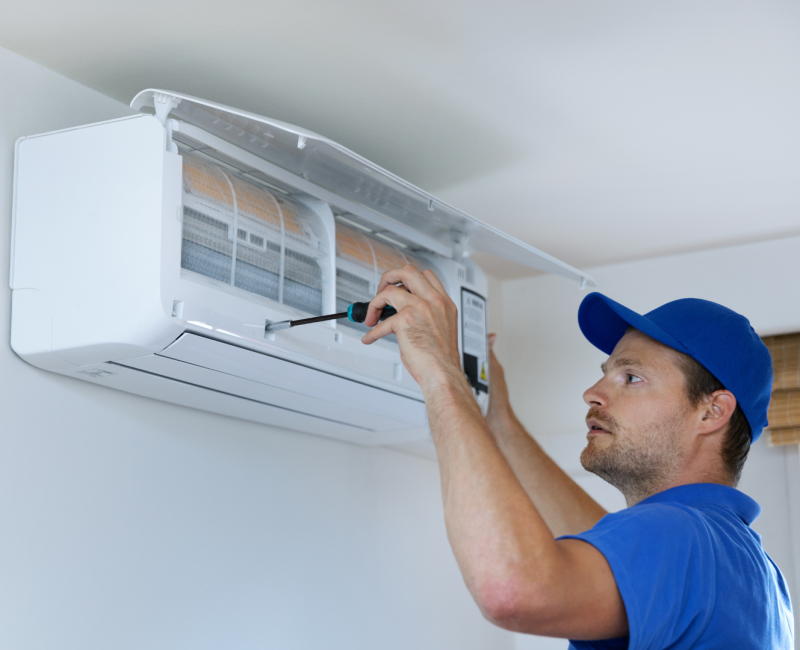
A central air conditioning system is a significant improvement for any home. It’s a large project, so you need to be aware of the time it takes for the work to be done. This is the full setup process, from the initial home check, installation of air pipes, and final tests. Typical setup time is 1 – 3 days. This will vary according to the home layout and the number of rooms you want cooled. After installation, regular servicing is important to maintain performance. This guide explains the active work days and how good planning makes the work easier. These AC installation timelines and working with Bradshaw Air will help to make your job a smooth one, without confusion.
How Long Does It Take To Install Ducted Air Conditioning?
Most of the home installs are only a few days. A single-story house with an easy attic setup requires one full day, about 8 to 12 hours of active work. A daily plan organizes the work:
- Day 1: Preparing Space and Heavy Lifting: Professionals put the heavy indoor fan unit up into the attic frame. They begin to install the suspending brackets.
- Day 2: Air Pipes and Electrical Wiring: The crew installs insulated air pipes in every room and cuts the ceiling vents. They install the outdoor unit and connect the power mains.
- Day 3: Final Controls and Testing: team installs visible ceiling vents and attaches the thermostat to the wall. They charge the system with cooling fluid and test the system’s total airflow.
Need a professional air conditioning system installed in your home?
What Operational Steps Are Involved in a Ducted System Installation?
A professional setup follows a strict order to ensure proper cooling and safety before AC installation:
Step 1: Preparing the Site and Protecting Floors
Professionals lay drop sheets under all ceiling cut points and clear a path to the attic. The team checks design drawings to confirm parts match your home layout.
Step 2: Placing the Indoor Fan Unit
Professionals lift the heavy fan unit into the attic, hanging it from the roof frames with metal rods and rubber vibration pads. They level it perfectly to prevent water drain leaks.
Step 3: Running the Insulated Air Pipes
The crew runs flexible, insulated lines through the attic to build the home’s ducted air conditioning setup. They avoid sharp bends that block air and seal all main distribution boxes tightly with heavy tape.
Step 4: Cutting Ceiling Vents and Dropping Connections
Using saws with dust vacuums, Professionals cut neat holes in the drywall ceilings for the vents. They screw all vertical pipe pieces tight to the wood framing to handle high air pressure.
Step 5: Mounting and Hooking Up the Outdoor Unit
The outdoor unit is set on a flat concrete base or wall brackets with clear space for heat release. Professionals connect the units using thick copper pipes and a control wire with the power lines inside a plastic cover.
Step 6: Cleaning the Lines, Powering Up, and Testing
A vacuum pump clears air and moisture from the copper pipes before cooling fluid enters. Turning on the power to check temperatures and pressures ensures the ducted ventilation system runs correctly.
Which Key Variables Directly Impact Your Installation Duration?
Specific physical details determine if a project takes one day or turns into a multi-day job:
- Attic Space and Roof Height: High roofs let Professionals move freely and install components fast. Low roofs, flat ceilings, or tight frames restrict movement and slow down progress.
- Building Materials: Wood homes with drywall allow fast cutting and mounting. Concrete floors and brick walls require specialized drills. In addition, old plaster ceilings require custom supports, adding hours.
- Retrofit Versus New Builds: New builds are fast because walls and ceilings are completely open. Retrofitting residential ducted air conditioning into a finished home takes longer to navigate around existing wires and pipes safely.
What Crucial Steps Should Property Owners Take to Prepare?
Doing a few simple chores before the work crew arrives helps reduce setup holds. Clearing space is probably the most direct way to speed up the effort.
- Move things out of the work zones: First, figure out where the ceiling vents are, and also where that main return air vent will sit. Get all furniture, TVs, and decorations out of those rooms entirely, or at least push everything up against the walls and cover it with plastic sheets so the professionals can climb and work without feeling unsafe.
- Clean the Outside routes: Make sure the driveway, sidewalk areas, and yard zones are free of cars, trash cans, and leftover yard waste. The crew has to move heavy copper coils, thick boxes, and bigger equipment from their trucks straight to your doors, without slipping or tripping.
- Clear the Attic Access and Protect Pets: Empty out any closets that have the access hatch to the attic space. Also, keep your dogs and cats locked away in a safe room so they do not run outside or get hurt while Professionals are walking in and out with heavy tools.
Final Thoughts
Getting a central AC system means understanding the key steps and times that make up the project. From the first plan to mounting the heavy units and balancing the room vents, a good job takes a clear, steady process. While tight spaces and extra room zones can stretch the job from one day to three, clearing your home ahead of time is the best way to keep things moving fast. Working with an expert setup crew ensures a clean job that gives you great power savings and cool air everywhere. Regular servicing also helps maintain efficiency and prevent breakdowns, especially during the hottest months.
Picking the right crew is the most important step for keeping your AC installation timelines on track and getting a system that runs perfectly. The trained experts at Bradshaw Air have years of setup experience, meaning they protect your home and tune every part to save you money on power bills.
Are you ready to book your professional AC installation?
FAQs
What factors can unexpectedly delay standard AC installation timelines?
Hidden blockages inside the ceiling, like iron support beams or old plumbing pipes, can stop planned AC installation timelines right away. Finding old or broken electrical boxes that need a safety upgrade before we can turn on the new AC will also freeze the work. When you choose Bradshaw Air, our deep home checks spot these issues early to prevent sudden delays.
Can you install ducted air conditioning in a two-story home?
Yes, putting a ducted air conditioning installation into a two-story house is common, but it takes extra planning. Professionals use empty wall spaces, closets, or custom drywall boxes to run the big vertical air pipes from the attic down to the first-floor rooms. This ensures both floors stay cool without losing any living space.
What is the difference between a split system and a ducted system?
A split system uses a small box on the wall to cool just one room, which is great for small spaces. A full commercial air conditioning setup in Tweed Heads, or a home ducted system, uses one hidden central fan unit to blow cold air to every single room at the same time through pipes hidden in the ceiling.
How many zones can be configured in a standard residential ducted system?
A standard home setup can easily handle 4 to 8 separate zones using motorized doors inside the pipes. This lets you turn off the air to empty spaces like guest rooms when you are not using them, saving power across your whole home ducted air conditioning setup.
How do technicians route ducts if a home has a flat roof?
When houses have flat roofs with no attic space, professional AC installers in Murwillumbah build neat drywall drop ceilings or bulkheads. These custom boxes run along the top of hallways or walls to hide the insulated air pipes without taking away your living space.