
Selecting the appropriate air conditioning system for your house can really turn out to be quite a pain in the neck. There is simply too much choice when it comes to systems as well as their various technical specifications, which can lead to confusion. Not to mention the high cost of operating an inefficient system. Whether you are looking for your first residential air conditioning unit or replacing an old unit, you need to be smart about it. Let’s break down exactly how to make the right call without wasting your hard-earned cash or your sanity.
Think About Your Space Size
First off, don’t just buy the biggest unit you can find. This is an easy trap to fall into. When the system is too large, it will keep cycling on and off, which will be highly inefficient. When it is too small, it will run continuously without ever being able to cool down the space. You need to determine the heat load for your space.
- Get an accurate measurement of the dimensions of your rooms.
- Factor in your ceiling height, because higher ceilings require more energy.
- Also consider how much sunlight your room gets daily.
- Check your window types and current insulation levels.
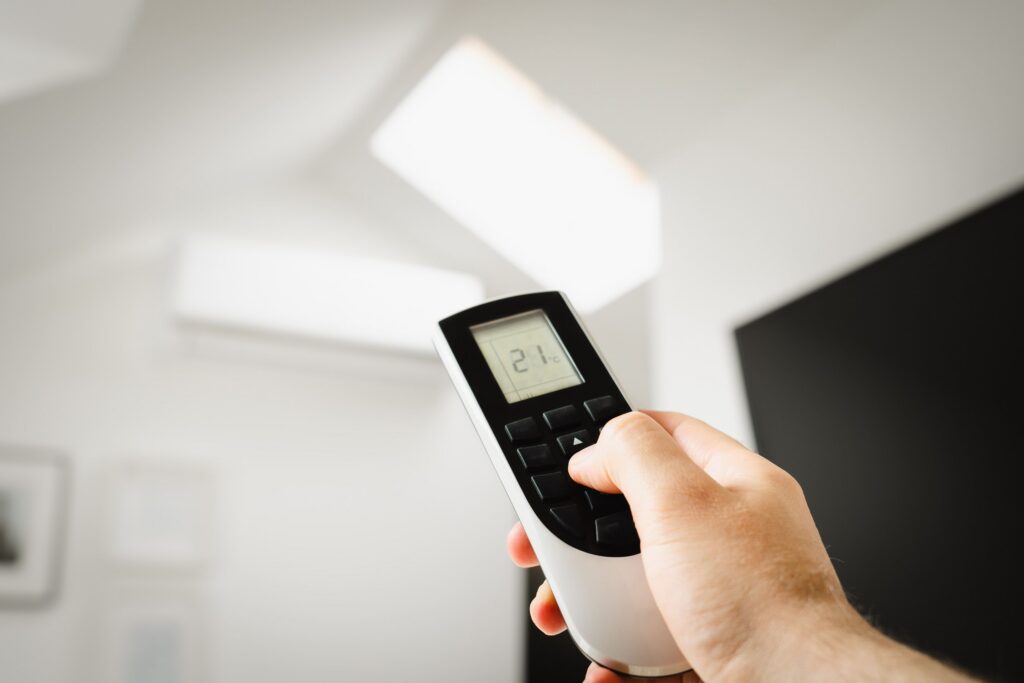
Choosing the Best Residential Cooling Systems
You’ll hear a lot of talk about different types of tech. Most people go for wall-mounted split systems because they’re quiet and pretty effective. But if you have a whole house to cool, a ducted system might be better.
- Split systems are perfect for individual rooms or smaller zones.
- Ducted units provide consistent cooling to every single room.
- Multi-split systems let you run several units off one outdoor motor.
- Always look for the star rating to gauge energy efficiency.
Still feeling unsure about which unit is right for your home’s layout?
[Get Expert Advice From Bradshaw Air]
Quick Aircon Selection Tips for Beginners
Don’t ignore the noise levels. Some units sound like a jet engine taking off in your lounge room, which is the last thing you want. Check the decibel ratings on the spec sheet before you commit.
- Aim for units with low-noise “sleep” modes for your bedrooms.
- Look for brands that offer good local parts availability.
- Check if the unit has a reliable dehumidification function.
- Make sure the remote control is simple and easy to read.
The Versatility of Reverse Cycle Air Conditioning
If you live where the winters get a bit chilly, you should look into reverse cycle air conditioning. These systems are brilliant because they provide cooling in the summer and heating in the winter.
- They are highly energy-efficient compared to electric heaters.
- You save money by only installing one system for year-round comfort.
- They provide quick warmth on those brisk winter mornings.
- Modern units have great air filtration to keep dust down.
Local Experts Like Air Conditioning Banora Point
It’s tempting to grab a cheap deal online, but installation is everything. If the pipes aren’t sealed right or the drainage is off, you’ll be calling for repairs in no time.
- Hire a professional only.
- Check with your neighbours for recommendations around your locality.
- The installer must provide a good warranty for his services.
- Compare a few prices but do not opt for the lowest price blindly.
Ready to get your home feeling comfortable again?
[Book Your Professional Installation Now]
Finding Trusted AC Installers Tugun
When checking AC installers Tugun, make sure to know their experience with the particular brand that you have. This is because not all air conditioning units are alike and some need special attention. Find out whether they do everything, from the installation to the cleaning up afterwards.
- Ask if they handle the full installation and cleanup process.
- Check their credentials and insurance documents before they start work.
- Enquire about how they handle ongoing maintenance tasks.
- Good installers will explain how to operate the remote properly.
Our Take at Bradshaw Air
We’ve seen plenty of installs go wrong because of poor planning. Bradshaw Air is an organisation that believes in doing things right the first time. We spend time studying your home structure and giving you advice on what would suit you best, rather than just offering you costly solutions. We value honesty and hope that you will be comfortable in your home throughout the year without having to worry about your systems breaking down. Should you need professional advice and installation, we can be of great help to you.
FAQs
Which is the most effective home air conditioner to use in a standard house?
The ideal split system for a single zone is typically provided at Bradshaw Air. For an all-in-one solution, consider a ducted system. The optimal option will depend on how you want to use the cooling or heating capabilities, the home configuration, and your budget.
How do I know what size unit I need for my bedroom?
The square meterage and exposure of windows need to be considered when picking a unit. A 2.5kW system is normally suitable for a small bedroom. If it is larger than this, it may ‘short cycle ‘, causing high electricity costs, inadequate moisture control and making the room feel muggy rather than cool.
Is it worthwhile to invest the additional expense in inverter units?
Yes, indeed! An inverter will vary the speed of the motor and help keep the temperature steady instead of the motor starting and stopping frequently. You will save a lot of cash on your electricity bills with this device over the years, and the room temperature will remain very steady, instead of an older fixed-speed device that fluctuates wildly.
When should I change my air conditioner?
Once a year is good enough; this helps to keep the unit running efficiently and prevents dust and mould from accumulating inside the filters or coils. They can also be able to help you discover and repair minor mechanical problems before they become costly problems.
If my system begins to blow warm air, what do I do?
First of all, make sure that your remote is set to COOLING. If it is okay, inspect the outside unit for dust or airflow obstructions. If it still doesn’t work, it’s time to call a technician, as you may have a refrigerant leak or electrical problem.